
Overview of Trading Books PDFs
Trading books PDFs bundle essential strategies‚ market theories‚ and trader psychology in portable‚ searchable formats. Tom Hougaard’s “The First Trading Manual” offers a foundation course for those aiming to earn a living from markets. PDFs enable quick reference‚ offline study‚ and easy sharing today now
What Are Trading Books PDFs?
Trading books PDFs are digital collections that compile essential market knowledge into a portable‚ searchable format. They include full‑text scans or re‑typed versions of classic guides‚ modern treatises‚ and practical handbooks that cover everything from technical analysis to behavioral finance. By converting hard‑copy titles into PDF‚ authors preserve original layouts‚ charts‚ and annotations while enabling search‚ bookmarking‚ and annotation tools that enhance study efficiency. PDFs are universally compatible with computers‚ tablets‚ and smartphones‚ allowing traders to review strategies on the go‚ whether in a coffee shop‚ on a train‚ or at a trading desk. Many free PDFs are available through educational institutions‚ public libraries‚ and author‑approved websites‚ offering a cost‑effective way to build a personal library. However‚ the digital nature of PDFs raises concerns about copyright compliance‚ licensing‚ and the risk of unauthorized distribution. When sourcing PDFs‚ it is essential to verify the legitimacy of the provider‚ ensuring that the document was released under a fair‑use policy or that the author has granted permission for free distribution. In addition‚ traders often use PDFs as a foundation for creating custom worksheets‚ practice charts‚ and simulation exercises‚ leveraging embedded images and tables to replicate real‑world market scenarios. Overall‚ trading books PDFs serve as a versatile‚ portable‚ and interactive medium that supports continuous learning and skill development for both novice and seasoned market participants.
Readers can annotate margins‚ highlight key concepts‚ and export notes to study groups. The PDF format also supports hyperlinks to external resources‚ enabling deeper research without leaving the document. This flexibility makes PDFs a cornerstone of modern trading education.
Benefits of PDF Format
PDFs offer traders a lightweight‚ universally compatible format that preserves complex charts‚ tables‚ and annotations without distortion. The fixed layout ensures that every reader sees the same visual structure‚ which is critical when interpreting technical indicators or price action patterns. Searchability is a major advantage: keywords‚ symbols‚ and time‑frame references can be located instantly‚ saving hours of manual scanning. Annotating directly on the PDF—highlighting‚ adding sticky notes‚ or drawing arrows—lets traders record insights in real time‚ turning passive reading into active learning. The ability to export annotated pages to image or text files facilitates sharing with mentors or study groups‚ fostering collaborative analysis. PDFs support hyperlinks‚ so embedded links to external data sources‚ video tutorials‚ or live market feeds can be accessed without leaving the document. Security features‚ such as password protection or digital signatures‚ help protect intellectual property and prevent unauthorized distribution. Finally‚ the small file size compared to full‑color print versions means traders can download and store entire libraries on mobile devices‚ ensuring continuous access even during travel or power outages. These combined features make PDF the preferred medium for modern trading education and reference. By weaving PDFs into daily study habits‚ traders build a dynamic‚ secure‚ and collaborative learning hub that evolves with market shifts‚ keeping insights fresh actionable‚ and available on any daily device.
Common Topics Covered
Trading books PDFs routinely explore a spectrum of subjects that collectively shape a trader’s skill set. Fundamental analysis sections dissect macroeconomic indicators‚ corporate earnings‚ and sector rotations‚ guiding readers to interpret price movements through the lens of economic fundamentals. Technical analysis chapters present chart patterns‚ trendlines‚ moving averages‚ and oscillators‚ often enriched with annotated screenshots that illustrate real‑world application. Risk‑management modules emphasize position sizing‚ stop‑loss placement‚ and portfolio diversification‚ offering formulas and case studies to quantify potential drawdowns. Behavioral finance insights address cognitive biases‚ emotional discipline‚ and decision‑making frameworks‚ helping traders recognize and mitigate self‑sabotaging tendencies. Market‑structure discussions cover order flow dynamics‚ liquidity pools‚ and the interplay between institutional and retail participants. Algorithmic trading overviews cover back‑testing‚ scripting basics‚ and statistical validation‚ topics machine learning push the frontier of for the quantitative strategy design! Each PDF typically interleaves theory with practical exercises‚ encouraging readers to apply concepts to live charts or simulated accounts. By integrating these core themes‚ trading books PDFs provide a holistic educational pathway that equips both novices and seasoned professionals with the analytical tools‚ psychological resilience‚ and technological acumen required to navigate the complexities of modern financial markets.
How to Access PDFs
Accessing trading books PDFs involves a mix of legitimate channels and community‑driven repositories. First‚ many authors publish free editions on their personal websites or through platforms like Amazon Kindle and Google Books‚ where a PDF download link is often provided after purchase or as a promotional sample. Second‚ academic and public libraries frequently offer digital lending services; platforms such as OverDrive or Libby allow patrons to borrow e‑books in PDF format for a limited period. Third‚ open‑access repositories like ResearchGate and Semantic Scholar host author‑submitted PDFs that are freely downloadable‚ especially for research‑oriented titles. Fourth‚ community forums (e.g.‚ Reddit Daytrading) occasionally share links to PDFs uploaded by users‚ but caution is advised to verify authenticity. Finally‚ many publishers offer a “PDF for free” option on their official websites‚ often requiring a simple email subscription. Always ensure the source is reputable to avoid corrupted files or malware. Download responsibly!!
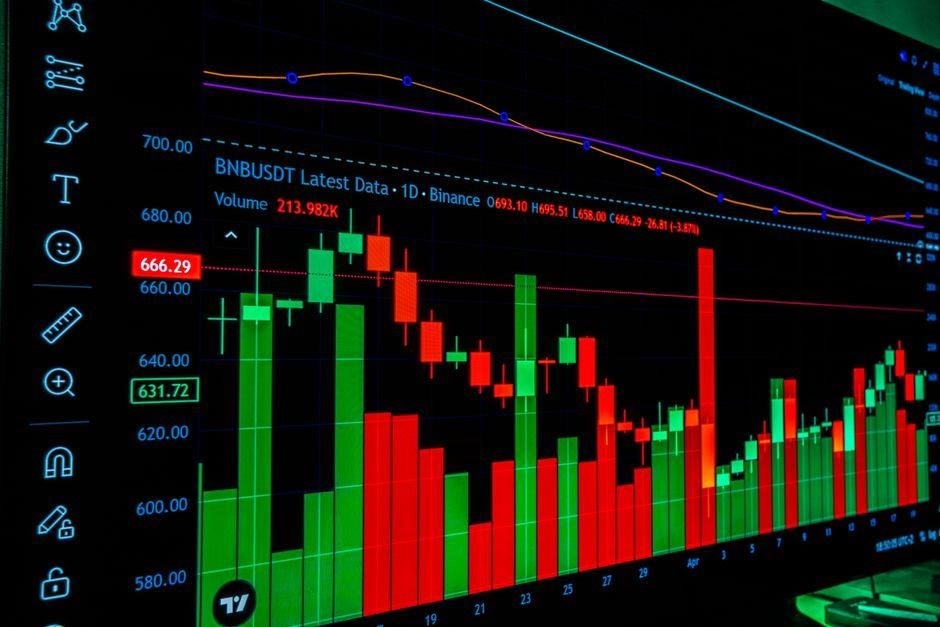
Top Free Trading Books PDFs Available Online
Discover free PDFs of classic trading guides: Tom Hougaard’s “The First Trading Manual” for beginners‚ Brett Steenbarger’s “The Psychology of Trading” for mindset‚ Jack Schwager’s “Market Wizards” for elite tactics‚ and John Murphy’s “Technical Analysis of the Financial Markets” for charting fundamentals.
“Trading for a Living” by Tom Hougaard
Tom Hougaard’s “Trading for a Living” is a cornerstone resource for aspiring professional traders. The PDF outlines a step‑by‑step framework that transforms casual market interest into a disciplined‚ income‑generating career. It begins with foundational concepts—risk management‚ position sizing‚ and the psychology of profit and loss—before advancing to complex trade execution and portfolio construction. Hougaard emphasizes a clear trading plan‚ daily routine‚ and continuous performance review. The book also explains how supply and demand dynamics shape price movements across equities‚ futures‚ and forex. Readers learn to identify entry and exit signals‚ use stop‑loss orders effectively‚ and develop a personal trading style that aligns with risk tolerance and lifestyle. The PDF includes practical worksheets‚ sample trade logs‚ and case studies of real market scenarios. By integrating theory with hands‑on practice‚ the guide equips traders to navigate volatility‚ adapt to changing conditions‚ and maintain consistency over time.
The book’s emphasis on psychological resilience—managing stress‚ maintaining discipline‚ and coping with drawdowns—provides a holistic view that extends beyond technical skills. The author also includes a concise glossary of trading terms and a recommended reading list for deeper exploration. Additionally‚ the PDF offers templates for trade journals!!?
“The Psychology of Trading” by Brett N. Steenbarger
Brett N. Steenbarger’s “The Psychology of Trading” PDF delves into the cognitive‚ emotional‚ and behavioral facets that shape market performance. The guide begins by mapping common mental traps—overconfidence‚ loss aversion‚ and confirmation bias—and illustrating how they distort decision‑making. It then presents evidence‑based techniques for cultivating self‑awareness‚ such as journaling‚ mindfulness‚ and biofeedback‚ all designed to sharpen focus and reduce impulsive reactions. The book’s core framework revolves around the “trader’s mind map‚” a visual tool that links emotions‚ thoughts‚ and physiological states to observable trading behaviors. By tracking these connections‚ traders can identify patterns that precede profitable or losing trades and adjust their strategies accordingly. Steenbarger also explores the role of identity in trading‚ arguing that a clear professional self‑concept fosters consistency and resilience. The PDF includes interactive worksheets that guide readers through self‑assessment‚ goal setting‚ and performance review cycles. Additionally‚ it offers case studies of successful traders who integrated psychological training into their routines‚ demonstrating measurable improvements in risk‑adjusted returns. The text emphasizes the importance of a supportive learning environment‚ encouraging readers to share insights with peers or mentors. Finally‚ the guide concludes with a roadmap for ongoing development‚ recommending regular reflection‚ skill drills‚ and the use of technology tools like trading simulators to reinforce learned habits. By blending science‚ practice‚ and personal growth‚ the PDF equips traders to master the mental challenges that often separate winners from losers in the financial markets.
Readers are encouraged to revisit the PDF periodically‚ updating their mental models as market conditions evolve‚ ensuring that psychological tools remain aligned with real‑world dynamics!!.
“Market Wizards” by Jack D. Schwager

Jack D. Schwager’s “Market Wizards” PDF compiles interviews with elite traders‚ revealing strategies‚ risk controls‚ and psychological frameworks that underpin consistent profitability. The document opens with an overview of the trading landscape‚ then presents a series of case studies ranging from commodity futures to equities and forex. Each trader shares a concise narrative of their entry point‚ key turning moments‚ and the core principles that guided their evolution. The PDF emphasizes the importance of a disciplined trading plan‚ highlighting how successful participants systematically manage position sizing‚ stop‑loss placement‚ and portfolio diversification. The text also explores the role of market timing‚ technical analysis‚ and fundamental research‚ illustrating how each discipline can be blended to create a robust edge. A recurring theme is the cultivation of a growth mindset: traders discuss how they embrace failure‚ iterate on strategies‚ and maintain psychological resilience during drawdowns. The PDF includes practical tools such as decision trees‚ risk‑reward calculators‚ and reflective worksheets designed to help readers internalize lessons. Additionally‚ it offers a comparative analysis of different market styles—trend following‚ mean reversion‚ and contrarian—providing readers with a framework to assess which approach aligns with their personality and capital constraints. The final section of the PDF encourages ongoing learning‚ recommending regular review of trade logs‚ participation in peer groups‚ and continuous education through courses and literature. By distilling the wisdom of market veterans into actionable insights‚ the PDF serves as a comprehensive guide for traders seeking to elevate their performance and achieve sustainable success in volatile markets.
Furthermore‚ the PDF addresses the importance of technology‚ noting how algorithmic tools‚ data analytics‚ and real‑time monitoring can enhance execution speed and reduce slippage. It includes a sidebar on ethical considerations‚ reminding traders to adhere to regulatory standards and maintain transparency in reporting. The document concludes with a set of actionable takeaways: define clear objectives‚ document every trade‚ review performance quarterly‚ and continuously refine your edge. These steps‚ grounded in the experiences of the featured wizards‚ provide a roadmap for traders at all levels to systematically improve their craft.
Readers are encouraged to treat the PDF as a living resource‚ updating it with new interviews and market developments to keep insights current and relevant.
“Technical Analysis of the Financial Markets” by John J. Murphy
John J. Murphy’s PDF edition of “Technical Analysis of the Financial Markets” serves as a definitive guide for traders seeking to decode price action across equities‚ bonds‚ commodities‚ and forex. The text is organized into four core sections: foundational principles‚ chart patterns‚ trend analysis‚ and advanced techniques. The first section introduces the theory of market efficiency‚ the law of supply and demand‚ and the role of market psychology‚ establishing a framework for interpreting price movements. Subsequent chapters delve into trendlines‚ support and resistance‚ moving averages‚ and oscillators such as RSI and MACD‚ illustrating how these tools can be combined to generate entry and exit signals. The PDF also dedicates a chapter to candlestick patterns‚ providing visual examples for doji‚ engulfing‚ and hammer formations‚ and explains their predictive power in short‑term trading. Advanced topics include Elliott Wave theory‚ Gann analysis‚ and the use of Fibonacci retracements‚ enabling readers to apply multi‑timeframe analysis. Throughout‚ Murphy emphasizes risk management‚ recommending position sizing based on volatility and setting stop‑loss levels to protect capital. The PDF includes annotated charts‚ case studies‚ and a glossary of technical terms‚ making complex concepts accessible to beginners while offering depth for experienced analysts. By integrating theory with practical application‚ the document equips traders with a systematic approach to identify market structure‚ anticipate reversals.

Legal and Ethical Considerations


Legal and ethical considerations for trading books PDFs require respecting copyright‚ ensuring fair use‚ and avoiding piracy. Verify sources‚ use legitimate downloads‚ and share responsibly to protect authors and maintain market integrity. Always consult legal counsel for compliance. Ethical sharing.!
Copyright Laws and Fair Use
When accessing trading books PDFs‚ users must navigate complex copyright frameworks that protect authors’ intellectual property. In the United States‚ the Copyright Act grants exclusive rights to reproduce‚ distribute‚ and display works‚ but it also provides a “fair‑use” defense for limited purposes such as criticism‚ commentary‚ news reporting‚ teaching‚ scholarship‚ and research. The four factors of fair use—purpose and character‚ nature of the work‚ amount used‚ and effect on the market—must be weighed carefully. For example‚ quoting a short excerpt for a classroom discussion may be permissible‚ whereas downloading an entire PDF for personal profit likely exceeds fair use. Internationally‚ the Berne Convention and regional treaties impose similar protections‚ though some countries allow broader educational exemptions. To stay compliant‚ users should: 1) verify the publication’s licensing status; 2) limit use to non‑commercial‚ transformative activities; 3) cite sources accurately; and 4) seek permission when in doubt; Many publishers offer free sample chapters or open‑access versions that explicitly state permissible use‚ reducing legal risk. When in doubt‚ consult a copyright attorney or use reputable libraries that provide legal access to trading literature. By respecting these laws‚ traders protect themselves from infringement claims and support the continued creation of valuable educational resources.

Readers should verify licensing before reproducing content to avoid legal issues and support ethical use.
Risks of Downloading Pirated PDFs
Downloading pirated trading books introduces legal‚ financial‚ and technical hazards. Legally‚ users risk civil liability for copyright infringement‚ with potential damages reaching thousands of dollars per unauthorized copy. Courts may issue injunctions‚ and repeated violations can lead to criminal prosecution‚ resulting in fines or imprisonment. Financially‚ pirated sites often host malware that can steal personal data‚ compromise brokerage accounts‚ or install ransomware‚ causing direct monetary loss. Technically‚ files may be corrupted or contain hidden code that exploits software vulnerabilities‚ compromising device security. Additionally‚ pirated PDFs frequently lack updates‚ missing critical revisions that reflect market changes‚ leading to outdated strategies. This misinformation can cause traders to make costly mistakes. Finally‚ supporting piracy undermines the authors’ incentive to produce high‑quality content‚ stifling innovation in financial education. Users should therefore obtain trading books through legitimate channels‚ ensuring compliance‚ safety‚ and continued development of the trading literature ecosystem.
Moreover‚ the use of pirated PDFs can erode trust in the financial community‚ as inaccurate or incomplete data may lead to poor decision making. This ripple effect can destabilize markets‚ especially when traders rely on outdated models. By choosing legitimate sources‚ you support ethical practices and help maintain the integrity of trading education.
Stay safe and ethical.
How to Verify Legitimate Sources
Ensuring a PDF comes from a trustworthy origin is crucial for both legal compliance and the quality of the material you receive. Below are practical steps that traders can follow to confirm the legitimacy of a trading book PDF before downloading or sharing it.
- Official Publisher Sites: The safest route is to obtain PDFs directly from the publisher’s website or a recognized distributor. Look for a secure HTTPS connection and verify that the domain matches the publisher’s official address.
- Author or Editorial Page: Many authors maintain personal or professional web pages that host or link to their works. Cross‑check the PDF link against the author’s listed contact information or social media profiles for authenticity.
- Digital Rights Management (DRM) Indicators: Legitimate PDFs often include DRM or watermarking that indicates ownership. A PDF with a visible author name‚ ISBN‚ or publisher logo is more likely to be official.
- File Size and Quality: Compare the file size to known legitimate copies. A drastically smaller or larger size can signal compression or added malicious code. Additionally‚ check for clear‚ high‑resolution text and consistent formatting.
- Search Engine Verification: Paste a unique excerpt or the book title into a search engine. If the PDF appears in results from reputable sources‚ it is likely to be legitimate. Beware of sites that only host the PDF without any context or citation.
- Community Feedback: Trading forums‚ subreddits‚ and professional networks often discuss where to find reliable PDFs. Look for threads that reference official links or provide user reviews of the source’s credibility.
- Legal Licensing Information: Some PDFs are released under Creative Commons or open‑access licenses. Verify the license type on the publisher’s site and ensure the PDF’s metadata reflects the same terms.
- Checksum or Hash Verification: For PDFs distributed through academic or professional channels‚ a checksum (MD5‚ SHA‑256) may be provided. Use a hash calculator to compare the downloaded file’s hash against the published value.
- Contact the Publisher or Author: If uncertainty remains‚ reach out directly via the publisher’s support email or the author’s professional contact. A prompt response confirming the PDF’s authenticity is a strong indicator of legitimacy.
- Use Trusted Repositories: Platforms such as Google Books‚ Project Gutenberg‚ or institutional libraries often host PDFs that have been vetted for copyright compliance.
By systematically applying these verification techniques‚ traders can avoid the pitfalls of pirated or corrupted PDFs‚ protect their personal information‚ and ensure that the educational content they consume is accurate‚ up‑to‑date‚ and legally obtained.
Best Practices for Sharing PDFs

When distributing trading book PDFs‚ it is essential to respect copyright‚ protect user privacy‚ and maintain the integrity of the material. The following guidelines‚ drawn from industry standards and legal frameworks‚ help ensure responsible sharing.
- Use Authorized Channels: Share only PDFs that you have obtained through legitimate purchases‚ library access‚ or open‑access licenses. Avoid distributing copies from unverified or pirated sources.
- Embed Watermarks: Add a discreet watermark containing the recipient’s email or a unique identifier. This deters unauthorized redistribution and helps trace leaks.
- Limit Access: Employ password protection or encrypted containers (e.g.‚ ZIP with AES‑256). Share the password via a separate communication channel‚ such as SMS or a secure messaging app.
- Provide Usage Guidelines: Include a brief statement that the PDF is for personal study only and may not be redistributed further. Encourage recipients to respect the author’s rights.
- Track Distribution: Keep a log of recipients and timestamps. This record can be useful if a breach occurs or if you need to revoke access.
- Use Secure Transfer Methods: Prefer encrypted email services‚ secure file‑sharing platforms (e.g.‚ ProtonMail‚ Tresorit)‚ or institutional repositories that enforce access controls.
- Regularly Update Permissions: If a recipient no longer requires access‚ revoke or delete the shared file from all storage locations.
- Educate Recipients: Provide a short FAQ on copyright‚ fair use‚ and the risks of illegal sharing. Informed users are less likely to violate terms.
- Monitor for Leaks: Periodically search the internet for the PDF’s title or unique excerpts. If a leak is detected‚ act swiftly to remove or replace the file.
- Comply with Data Protection Laws: When sharing personal data (e.g.‚ email addresses) in the watermark or logs‚ ensure compliance with GDPR‚ CCPA‚ and other relevant regulations.
Adhering to these practices not only protects intellectual property but also fosters a culture of respect and professionalism within the trading community.