Discover free PDF piano scores tailored for beginners, featuring clear letter names for each key․ These resources simplify learning, letting you focus on rhythm and technique while recognizing notes by name․ Start practicing today with accessible, no‑cost sheet music․!!??!
Why PDFs are Ideal for Learning Music
PDFs combine the best of digital convenience and traditional notation․ They are universally readable, requiring only a free viewer, and they preserve the exact layout of printed scores, so the spacing and page breaks match the original․ For beginners, this means you can print a sheet and practice on a real piano without worrying about formatting errors that can occur in other file types․ PDFs also support embedded fonts and high‑resolution images, ensuring that letter names and clef symbols remain crisp at any zoom level․ Because the file is static, you can annotate it with sticky notes or use a PDF editor to highlight key passages, making it easier to track progress․ Moreover, many free resources offer PDFs that include both the full score and simplified versions, allowing a gradual transition from easy to more complex arrangements․ The ability to download, store, and share PDFs offline is a huge advantage for learners who may not always have internet access․ Finally, PDFs can be combined with other learning tools—such as metronomes, recording apps, or practice timers—by simply opening multiple windows on a computer or tablet, creating a seamless practice environment․
These PDFs are often annotated with letter names, making it easier for novices to associate each key with its corresponding letter․ This visual aid speeds up sight-reading and builds confidence․
Play!
Key Resources for Free Sheet Music PDFs
Explore sites like IMSLP for domain classics, MuseScore for community‑created arrangements, and 8Notes for beginner‑friendly pieces․ Each offers downloadable PDFs with clear letter names, making practice simplenow and accessible․
IMSLP: Public Domain Classical Scores
IMSLP, the International Music Score Library Project, provides an extensive collection of public‑domain scores that beginners can download as PDFs․ The site hosts works from composers such as Bach, Mozart, and Debussy, many of which feature simple piano arrangements with letter‑named notation․ Users can search by composer, title, or key, and the interface displays multiple editions, allowing learners to choose the clearest version for their skill level․ Each PDF is free, and the library’s licensing ensures that no copyright fees are incurred․ Additionally, IMSLP offers performance recordings and editorial notes that help contextualize the pieces, making it easier for novices to grasp stylistic nuances․ The platform’s community forums allow students to ask questions about fingering or key signatures, fostering a collaborative learning environment․ For those new to letter‑name notation, IMSLP’s PDFs often include a key signature legend, so the A‑G letters are immediately recognizable․ By leveraging IMSLP, beginners can build a repertoire of well‑structured, pedagogically sound pieces without spending a dime․ Users can also explore the IMSLP forum threads where seasoned pianists share practice tips, tempo markings, and performance insights, enriching the learning experience beyond the printed scores․ Moreover, the PDFs are searchable, allowing navigation to specific measures for practice
Modern Platforms Offering Free PDFs
Platforms like MuseScore, 8Notes, and Free-scores host user‑generated PDFs․ They feature beginner‑friendly pieces with clear letter‑name notation, allowing download and practice․ Forums provide tips and tempo markings; for all kid
MuseScore: User-Generated Sheet Music
MuseScore is a free, open‑source platform where musicians upload, share, and remix scores․ Its search engine lets you filter by instrument, difficulty, and key signature, making it easy to find beginner piano pieces that display letter names (A‑G) for each note․ The community often adds tempo markings, dynamics, and fingering hints, which are invaluable for novices․ Once you locate a score, you can preview it online, download the PDF, or export it as a MusicXML file for use in notation software․ The site also offers a “Score of the Day” feature, highlighting new or popular arrangements that are typically light on technical demands․ Users can rate and comment, providing feedback that helps you choose the best material․ For those who prefer a more curated experience, the “Beginner” tag aggregates pieces with simple rhythms, limited key changes, and clear letter‑name notation․ Additionally, MuseScore’s mobile app allows offline access to PDFs, so you can practice anywhere without an internet connection․ The platform’s collaborative nature means that if you find a piece that needs improvement, you can request edits or submit your own version, fostering a dynamic learning environment․ All of this is available at no cost, making MuseScore a cornerstone resource for anyone starting piano with letter‑based notation․ Its community also hosts tutorials, chord charts, and practice playlists that reinforce theory, improve sight‑reading, and build rhythmic confidence daily!!

Dedicated Sites for Beginner Piano Pieces

Explore dedicated sites offering beginner‑friendly piano PDFs with clear letter notation․ These portals curate simple arrangements, from folk tunes to classical preludes, ensuring each staff shows A‑G labels for easy sight‑reading․ Download, print, and practice confidently․
8Notes: Simple Piano Arrangements
8Notes is a community‑driven platform that hosts thousands of free piano PDFs, many annotated with letter names for each staff line․ The site’s search filters let beginners locate pieces by difficulty, key signature, or tempo, ensuring a smooth learning curve․ Each score is downloadable in PDF format, ready to print or view on a tablet․ The notation style emphasizes the A‑G letter system, which helps novices identify pitches without relying on staff positions alone․ Users can also rate and comment on arrangements, fostering a collaborative environment where musicians share tips on fingering and phrasing․ For those just starting, 8Notes offers a curated “Beginner” collection featuring simple melodies like “Twinkle Twinkle,” “Ode to Joy,” and “Happy Birthday,” all rendered in a clear, legible font․ The platform’s mobile app syncs with the web, allowing practice on the go․ Additionally, 8Notes provides a “Play Along” feature that overlays a metronome and optional backing track, giving students real‑time tempo guidance․ Because the PDFs are open‑source, educators can adapt the scores for classroom use or incorporate them into lesson plans․ The community also hosts a “Request” section where users can ask for specific pieces, and contributors often respond with custom arrangements․ In short, 8Notes blends accessibility, educational focus, and a supportive community, making it an ideal hub for beginners seeking letter‑named piano sheet music․
All PDFs are free for practice․
Free PDFs support practice anytime․

Using Letter Names in Sheet Music
Letter names (A‑G) help beginners identify notes quickly, matching keys on the piano without staff positions․ This approach speeds sight‑reading, builds confidence, and makes learning new pieces more approachable․ It builds muscle memory․!!
Understanding the Letter System for Piano Notes
The letter system assigns each piano key a letter from A to G, repeating across octaves․ By labeling notes with letters, beginners can quickly locate pitches on the keyboard without memorizing staff positions․ The system works by matching the letter to the key’s name: C, D, E, F, G, A, B․ Sharps and flats are indicated by a # or b following the letter, e․g․, F# or Bb․ When reading sheet music that uses letter names, the staff is often omitted; instead, the score shows the letters directly above the corresponding notes․ This visual cue helps learners associate the written symbol with the actual key they press․ To use the system effectively, practice naming each key on the piano from A to G, then move to the next octave, remembering that the pattern repeats․ A helpful exercise is to play a scale, saying the letter names aloud, reinforcing the connection between the note’s name and its sound․ Over time, this method builds a solid foundation for sight‑reading, allowing students to focus on rhythm and expression rather than deciphering complex notation․ By consistently practicing letter‑based notation, you’ll develop an intuitive sense of pitch relationships, enabling smoother transitions between pieces and fostering confidence in improvisation and ensemble play․ Moreover, many free PDF collections label each measure with letter cues, making it easier to spot key changes and modulations during practice․

Choosing Beginner-Friendly Pieces
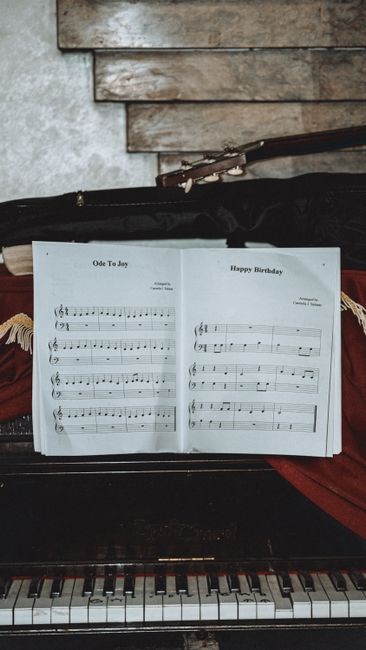
Begin with simple tunes like “Ode to Joy,” “Happy Birthday,” or “Twinkle Twinkle․” These pieces use clear letter names and repetitive patterns, making them ideal for early sight‑reading․ Free PDFs are found on IMSLP and MuseScore․!
Popular Easy Pieces for New Players
Beginner‑friendly repertoire often starts with timeless melodies that emphasize clear letter notation and repetitive motifs․ Classic choices include “Ode to Joy,” “Happy Birthday,” and “Twinkle Twinkle Little Star․” These pieces use only a handful of letters (A‑G) and are available in single‑hand arrangements that keep the right hand busy while the left hand supports with simple arpeggios․ Pop‑inspired tunes such as “Let It Be” (The Beatles) and “Jingle Bells” (John H․ Morse) are excellent, featuring straightforward chord progressions and repetitive patterns that reinforce rhythm and hand coordination․ These arrangements are shared on free platforms like MuseScore, 8Notes, and IMSLP, where the sheet music is downloadable as a PDF and annotated with letter names for quick reference․ When browsing, look for tags such as “beginner,” “easy,” or “letter‑notation․” Many composers have adapted their works into beginner versions, ensuring authenticity while lowering technical demands․ Downloading a PDF allows you to print the score, practice at home, and share with classmates or teachers․ Verify that the PDF includes correct letter names and clear notation before printing․ Print the PDF on high‑quality paper, fold it, and place a bookmark at the beginning․ Keep the score in a protective sleeve to avoid smudging․ Practice each measure slowly, then gradually increase tempo․ Using letter names helps beginners quickly identify notes without learning the full staff․ When you see an A on the right side, you know it corresponds to the A key, and so on․ This visual cue speeds up sight‑reading and builds confidence․ When you first open a score, look at the key signature to see which letters are sharp or flat․ This will tell you which notes to play when you encounter a sharp or flat symbol․ For example, in a score in the key of G major, the F♯ is written as F♯ and you should play the F♯ key․ Repeating this process helps you internalize the relationship between letter names and keyboard positions․ A good practice routine for beginners is to play each measure twice, first at a slow tempo, then at the marked tempo․ Use a metronome or a simple rhythm app to keep time․ Focus on keeping the left hand steady while the right hand follows the melody․ Additionally, keep a small notebook to jot down any difficulties you encounter, such as tricky fingerings or rhythmic challenges, so you can address them systematically during subsequent practice sessions․ and progress daily today․

How to Organize and Print PDF Sheet Music
Download PDFs, rename files with title and composer, create a folder per skill level, use a PDF viewer to set page size, choose double‑sided printing, add a bookmark, and store copies in a labeled binder for easy access․
Print on paper, fold, keep in a folder for quick!
Best Practices for Printing and Storing PDFs
When printing beginner‑friendly sheet music that uses letter names, start by selecting a high‑resolution PDF viewer that preserves the original layout․ Set the page size to match your printer’s standard paper (usually 8․5×11 inches) and enable “fit to page” to avoid cutting off margins․ Use a thick, matte paper to reduce glare and improve note visibility․ If you plan to practice daily, consider printing on both sides to save paper and create a convenient “flip‑book” format․ After printing, staple the top corners or use a simple ring binder to keep the pages aligned․ Label each sheet with the piece title, composer, and difficulty level in a clear, legible font․ Store the bound collection in a dedicated, climate‑controlled drawer or a plastic sleeve to protect against dust and moisture․ For long‑term preservation, scan the printed pages back into PDF format and save them in a cloud service with a backup on an external drive․ Keep a master copy of the original PDF in a separate folder titled “Original PDFs” so you can re‑print or update the layout if needed․ When organizing your digital library, create subfolders for “Easy,” “Intermediate,” and “Advanced” to quickly locate the appropriate material․ Finally, schedule a quarterly review of your collection to remove outdated or duplicate files, ensuring your library remains current and clutter‑free․ This systematic approach guarantees that your free piano sheet music remains accessible, durable, and ready for practice whenever you need it․
Supplementary Learning Tools
Explore free apps that sync with PDF scores, offering real‑time tempo control, loop playback, and note‑highlighting․ Popular choices include MuseScore, Pianote, and Flowkey, all supporting letter‑named notation for clear learning․ Try them today
Apps and Software to Enhance PDF Sheet Music Practice
For beginners seeking to master letter‑named PDF scores, a handful of free and low‑cost apps can transform practice sessions․ MuseScore offers a desktop editor and mobile viewer that lets you import PDFs, annotate them, and play back with adjustable tempo․ The built‑in metronome and loop feature help isolate tricky passages․ Flowkey pairs live video tutorials with downloadable PDFs; its real‑time feedback highlights the exact keys you’re pressing, while still allowing you to learn the letter names․ Pianote provides structured lesson plans and a library of beginner pieces, all available as PDFs that can be printed or viewed on a tablet․ For those who prefer a more interactive experience, Simply Piano uses a microphone to listen to your playing and offers instant corrections, while still allowing you to download the sheet music in PDF format․ Flat․io is a cloud‑based score editor that supports PDF import and collaborative editing, making it ideal for students working with a teacher remotely․ Noteflight offers a free tier that lets you view, edit, and print PDFs in the․ Together, these tools provide a comprehensive ecosystem that turns static PDFs into dynamic learning experiences, ensuring that beginners not only read the notes but also internalize them through repeated, guided practice․