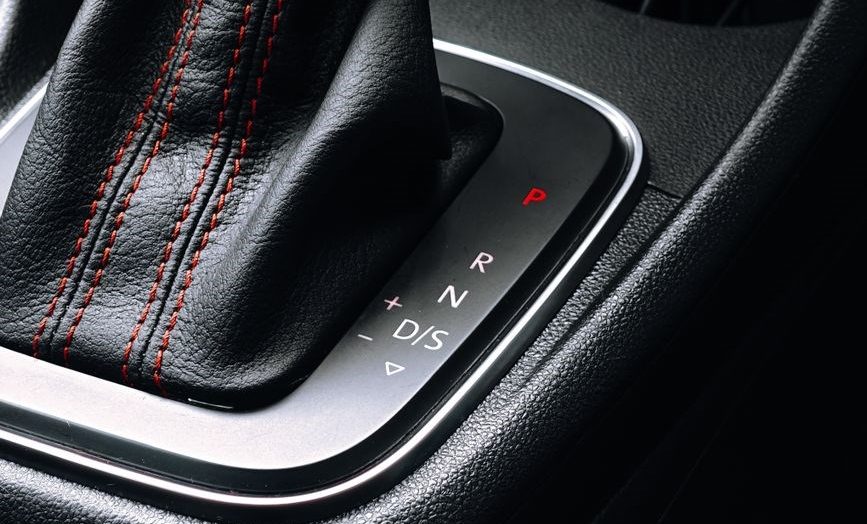
Comparing 5‑and 6‑speed manuals reveals key trade‑offs: gear count, ratio spread, and shift feel. A 6‑gear box offers tighter ratios for acceleration and better top‑speed efficiency, while a 5‑gear unit keeps the layout simpler and lighter. Understanding these nuances helps buyers choose wisely; speed!to
Purpose of the comparison
The goal of this analysis is to clarify how the additional gear in a six‑speed manual influences real‑world driving, from acceleration curves to fuel economy. By examining data from popular transmissions—such as the Tremec T56 6‑speed paired with a 7‑liter LS1 V8, and the more common 5‑speed units found in classic muscle cars—we can quantify the benefits of tighter ratio spreads and over‑drive options. The comparison also addresses how gear selection affects shift feel, driver engagement, and maintenance considerations for both everyday commuters and performance enthusiasts.
In practice, the extra gear in a six‑speed box allows drivers to keep the engine in its most efficient RPM band during highway cruising, reducing fuel consumption and engine wear. Conversely, a five‑speed unit often places the engine at higher revs for the same speed, which can increase noise and accelerate wear on components such as the clutch and gearbox internals.
Moreover, the shift cadence in a six‑speed transmission often feels more natural for spirited driving, as the gear ratios are spaced to keep the engine within its optimal power band during acceleration. Drivers also benefit from a lower final drive ratio when paired with a six‑speed, which can improve acceleration without sacrificing top‑speed capability.
Finally, the choice between five and six gears also hinges on the vehicle’s intended use. For daily commuting, the simplicity and lighter weight of a five‑speed may suffice, while racing or high‑performance driving often justifies the added complexity and weight of a six‑speed gearbox. Key takeaway.
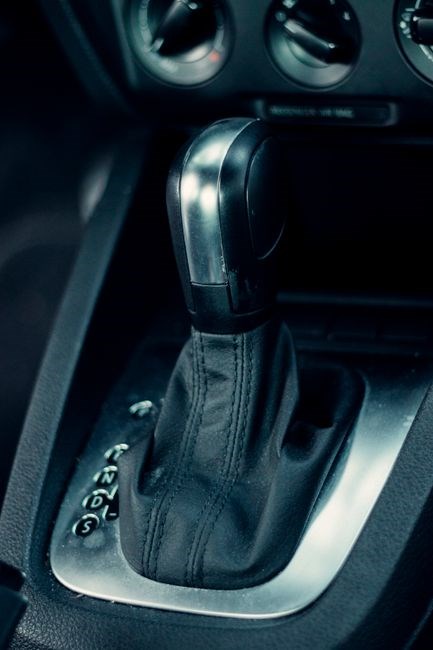
Scope of the analysis
The scope covers typical passenger cars, hot‑hatch and muscle models, and light trucks that use either a 5‑ or 6‑speed manual. It examines gear ratios, shift patterns, and final drive ratios, drawing on data from the Tremec T56 6‑speed, the T56 5‑speed, and comparable units in vehicles such as the Chevrolet LS1 V8 platform, the Ford Mustang 5‑speed, and the Dodge Challenger 6‑speed. The analysis also reviews real‑world performance metrics—acceleration times, top speed, fuel economy, and torque curves—using test data from reputable sources like Car and Driver, Motor Trend, and user‑reported figures from enthusiast forums. Maintenance aspects, including clutch wear, gearbox longevity, and repair costs, are considered, with emphasis on how the extra gear affects wear patterns and service intervals. Finally, the study looks at driver experience, evaluating shift feel, ergonomics, and the learning curve for drivers transitioning between the two systems. The goal is to provide a balanced, data‑driven comparison that helps buyers, mechanics, and hobbyists make informed decisions based on vehicle type, usage, and budget constraints.
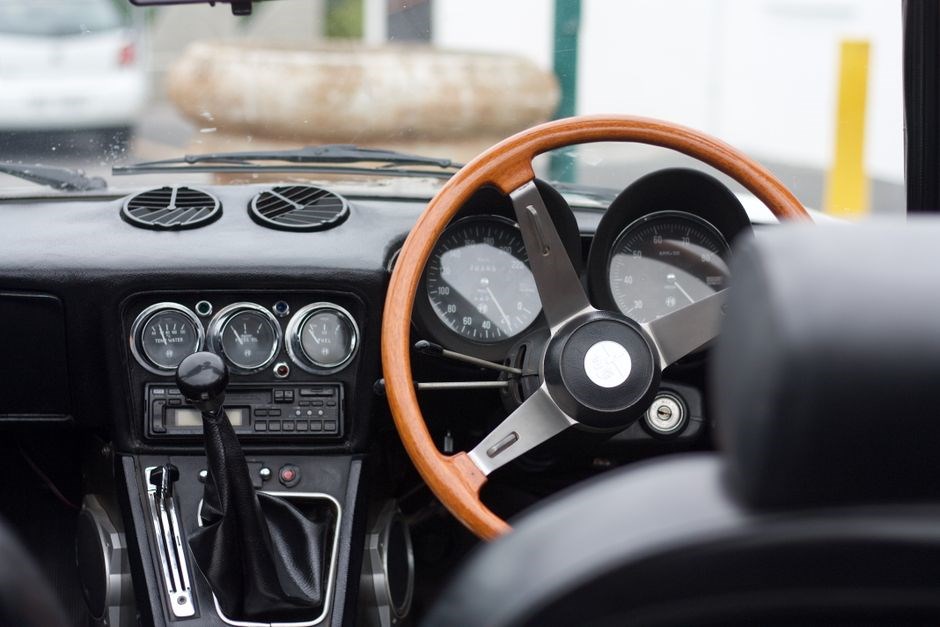
In practice, the choice between five and six gears depends on the vehicle’s purpose, desired balance between acceleration and cruising efficiency, and driver tolerance for a slightly heavier gearbox. For most drivers, a a marginal fuel‑economy gains of a six‑speed may not outweigh added complexity, whereas performance enthusiasts prefer the ratio spread and capability.
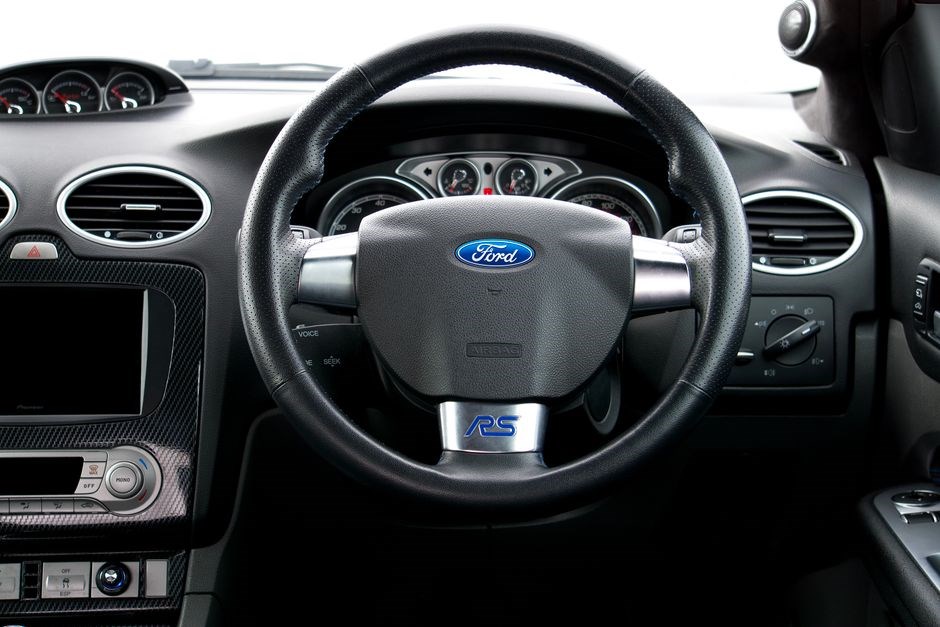
Technical Foundations
Technical Foundations examine gear ratios, shift patterns, and final drive differences. A 6‑speed offers tighter ratios for acceleration, while a 5‑speed keeps the layout simpler. Transmission architecture varies, affecting weight, cost, and performance. Gear spacing and shift feel differ, shaping driving
Gear ratio fundamentals
Gear ratios define the relationship between the input shaft speed and the output shaft speed of a transmission. In a manual gearbox, each gear pair consists of a pinion on the input shaft and a gear on the countershaft. The ratio is calculated as the number of teeth on the gear divided by the number of teeth on the pinion. A higher ratio (e.g., 3.5:1) means the engine turns 3.5 times for each turn of the output shaft, providing greater torque multiplication and better acceleration but higher engine RPM at a given vehicle speed. Conversely, a lower ratio (e.g., 1.5:1) reduces engine RPM for a given vehicle speed, improving fuel economy and allowing higher top speeds, but at the cost of slower acceleration. The spread of ratios across the gear set influences how smoothly power is delivered and how often the driver must shift. A narrow spread keeps the engine within its optimal power band, while a wide spread can push the engine into low‑efficiency zones. In practice, manufacturers select gear ratios to balance performance, drivability, and emissions. This balance ensures the vehicle can meet diverse driving demands while keeping maintenance manage.
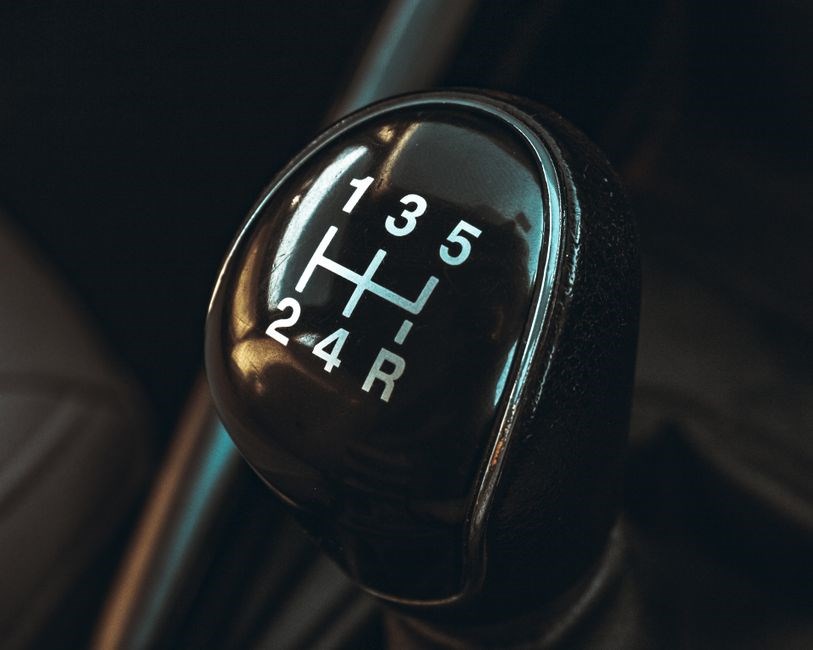
Transmission architecture differences
Manual transmissions differ in internal layout, clutch type, and gear train design. A 5‑speed unit typically uses a 5‑pinion gear set with a single clutch assembly, often a dry multi‑plate clutch for lighter vehicles. The gear ratios are spread over a 1.5:1 to 3.5:1 range, and the shift pattern follows a 1‑2‑3‑4‑5 sequence. In contrast, a 6‑speed gearbox incorporates an additional pinion and gear pair, requiring a larger countershaft and a more complex synchronizer arrangement. This extra gear allows tighter ratio spacing, usually around 1.4:1 to 3.6:1, and introduces an over‑drive gear (typically 6th) that reduces engine RPM at highway speeds. The 6‑speed design often employs a wet clutch pack to handle higher torque loads, improving durability but increasing weight. The shift lever routing may also differ; 5‑speed boxes often use a straight‑line lever, while 6‑speed units can feature a “H” pattern or a “V” pattern for easier access to the over‑drive gear. Additionally, the bellhousing bolt pattern and input shaft diameter may vary, affecting compatibility with different engines. These architectural distinctions influence not only performance but also maintenance intervals and the overall driving feel. These differences also influence the gear ratios and transmission weight. A 6‑speed gearbox often requires a bellhousing to accommodate the gear, which can raise vehicle mass and affect handling dynamics!! Additionally, the synchronizers demand more precise lubrication, impacting long‑term reliability and maintenance intervals!!
Number of gears and shift patterns
Five‑speed manuals provide a simple 1‑2‑3‑4‑5 sequence, with the 5th gear often acting as an over‑drive or high‑ratio gear for cruising. The gear ratios are spaced to give strong acceleration in the lower gears while keeping the top gear efficient for highway cruising. Drivers feel a linear shift pattern, and the lever is usually positioned in a straight‑line “H” layout, making the 5th gear the final forward step before the reverse lever.
Six‑speed units add a 6th gear, almost always an over‑drive, which reduces engine RPM at high speeds and improves fuel economy. The extra gear allows tighter ratio spread, keeping the engine in its optimal power band more often. Shift patterns vary: some use a “V” or “H” layout with an extra notch, while others place the 6th gear above the 5th. The additional gear can also introduce a low‑range option in heavy‑duty models, where the 6th gear functions as a second 4th gear for low‑speed torque. Drivers report a more precise feel with the 6‑speed lever due to tighter synchronizers, but the gearbox typically requires more frequent oil changes because of the extra gear and synchronizer oil consumption. The choice between five and six gears depends on whether simplicity and lighter weight or tighter ratios and better fuel efficiency are priorities.
For enthusiasts, the 6‑speed also offers a more engaging shift cadence, especially when the engine is tuned for high‑RPM performance. However, the added complexity can increase the learning curve for novice drivers.
Gear count shapes dynamics

Performance Implications
Six‑speed gearboxes tighten ratio spread, keeping engines in peak torque longer for better acceleration and lower RPM at cruising speeds, improving fuel economy. Five‑speed units are lighter, simpler, and deliver stronger low‑speed torque but may have higher highway RPM! ?
Acceleration and torque distribution
In a 6‑speed manual, the additional gear tightens the spread between low and high ratios, allowing the engine to stay in its optimal torque band longer during acceleration. Drivers often notice a smoother power delivery from 1st to 4th gear, with the 5th and 6th gears providing over‑drive for highway cruising. The 6‑speed’s lower final‑drive ratios mean the engine revs less at top speed, reducing fuel consumption and noise. Conversely, a 5‑speed unit has a broader jump between gears, which can cause a perceptible “step” in torque when shifting from 3rd to 4th. While this can translate to a more aggressive feel in the mid‑range, it also forces the engine to climb higher RPMs to reach the next gear, potentially diminishing low‑end torque. In performance builds, the 6‑speed’s tighter ratios are prized for keeping the power curve flat, whereas the 5‑speed’s simplicity can be advantageous in classic or lightweight applications where weight and mechanical simplicity outweigh marginal gains. Ultimately, the choice hinges on whether the driver values the nuanced acceleration of a 6‑speed or the straightforward torque characteristics of a 5‑speed.
While the 6‑speed offers finer control over engine load and can improve lap times on a track, the 5‑speed’s lower weight and fewer moving parts can translate to reduced maintenance costs and a more visceral feel for purists. Ultimately, the decision rests on whether the driver prioritizes marginal performance gains or the simplicity and character of a classic 5‑speed layout. Choosing between them is about matching the gearbox to the car’s use and the driver’s priorities, fun!
Top speed and efficiency
When a 6‑speed manual is paired with a high‑output engine, the extra gear typically acts as an over‑drive, keeping the engine in a lower RPM band at cruising speeds. This translates to a higher attainable top speed for the same engine power, as the final drive ratio can be matched more precisely to the vehicle’s aerodynamic drag. In contrast, a 5‑speed manual’s final gear is usually a single over‑drive ratio, which may force the engine to run at higher revs for the same speed, limiting the top speed or increasing engine wear.
Efficiency gains are most noticeable on highways. The 6‑speed’s tighter ratio spread allows the driver to shift into a lower‑reduction gear earlier, reducing fuel consumption by keeping the engine in its most efficient torque band. Studies on modern transmissions show up to a 4‑5 % improvement in miles‑per‑gallon when a 6‑speed replaces a 5‑speed in comparable vehicles. However, the added weight and complexity of a 6‑speed can offset these gains in very light or low‑power cars, where the marginal benefit is negligible.
In racing or performance contexts, the 6‑speed’s ability to keep the engine closer to peak horsepower at high speeds is a decisive advantage, often resulting in faster lap times. For everyday drivers, the difference may be subtle, but the 6‑speed still offers a smoother, more fuel‑efficient ride at cruising speeds, while the 5‑speed remains a solid choice for those prioritizing simplicity and lower maintenance.
6‑speed gives torque
Fuel economy considerations
In everyday driving, a 6‑speed manual can shave a few percentage points off fuel consumption by keeping the engine in its most efficient torque band at lower RPMs. The extra gear reduces the need for high‑rev cruising, especially on highways, and can improve miles‑per‑gallon by up to 4–5 % in modern engines. However, the added weight and internal friction of a 6‑speed unit can offset these gains in lightweight or low‑power cars, where the difference may be under 1 %. For performance‑oriented vehicles, the 6‑speed’s tighter ratio spread keeps the engine closer to peak power, reducing the need for high‑rev boosts and improving overall efficiency in spirited driving. Conversely, a 5‑speed manual offers a simpler, lighter design that can be more economical in terms of maintenance and repair costs, especially for older or budget models. Ultimately, the fuel‑economy advantage of a 6‑speed depends on engine size, driving style, and vehicle weight; for many commuters, the difference is marginal, while for high‑output or racing cars, the 6‑speed can provide a measurable benefit.
In addition, the shift cadence of a 6‑speed often feels more natural for daily use, as the gear ratios are spaced to match typical traffic patterns, reducing the need for frequent up‑shifts. The extra gear also allows a lower final drive ratio, which can improve acceleration in heavy‑duty applications without sacrificing fuel economy. For enthusiasts, the 6‑speed’s finer ratio spread can enhance throttle response and for fun and thrill.!

Driver Experience
Drivers feel the 6‑speed’s smoother shifts and tighter ratios, offering quicker acceleration and a more engaging drive. The 5‑speed’s simpler layout gives a classic, lighter feel, but may feel less refined at high speeds. Shift cadence and gear spacing shape overall enjoyment.
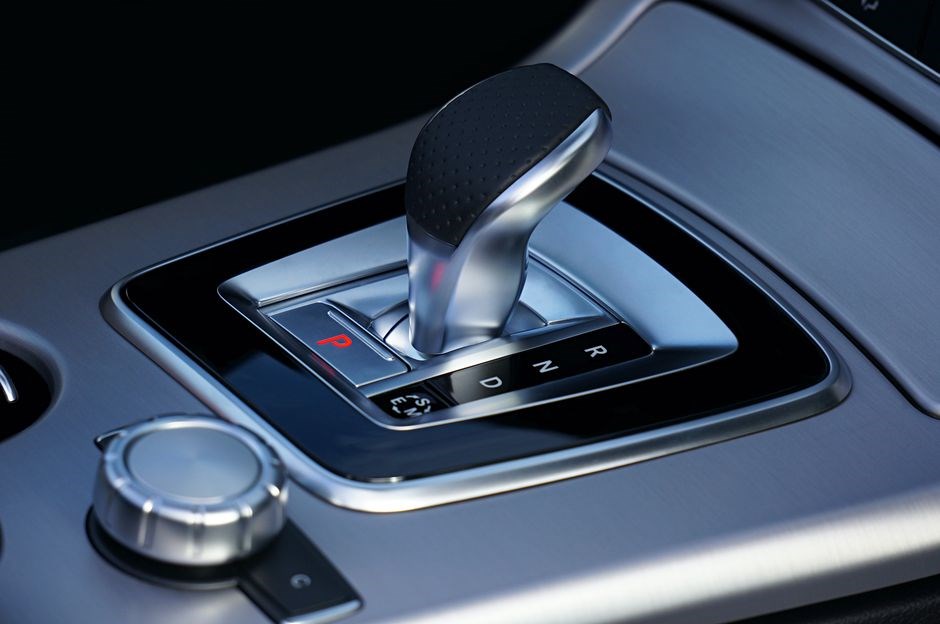
Shift feel and pattern
In a 5‑speed manual, the gear ratios are spaced wider, so each shift moves the engine through a larger change in RPM. This gives a noticeable “jump” when moving from 3rd to 4th, and from 4th to 5th, especially at cruising speeds. Drivers often describe the feel as “chunky” but straightforward, with a clear separation between gears. The clutch engagement is usually smooth, and the lever travel is short, making the overall operation feel light and responsive. The 5‑speed layout also tends to keep the shift pattern more linear, which many enthusiasts appreciate for its feel and easier learning curve. In contrast, a 6‑speed manual compresses the ratio spread, so each shift covers a smaller RPM range. This results in a finer, more gradual transition, which can feel almost “invisible” when shifting through the middle gears. The extra gear also allows the 5th gear to be an over‑drive, reducing engine RPM at highway speeds and providing a more relaxed, fuel‑efficient drive. However, the additional gear adds a small amount of lever travel and can introduce a slight “slip” feel if the driver is not accustomed to the tighter spacing. The 6‑speed’s shift cadence is often described as “smooth” and “precise,” with a subtle “click” that signals each gear change. Drivers who enjoy a more refined in the sport driving experience tend to prefer the 6‑speed, while those who value simplicity and a feel may lean toward the 5‑speed. Ultimately, the choice depends on the driver’s preference for shift feel, learning curve, and the type of driving they intend to do!
Cost and Maintenance
6‑speed units are pricier and heavier, raising purchase and repair costs. Parts like gear sets and synchronizers cost more, and labor for rebuilds is higher. 5‑speed boxes are lighter, cheaper, and easier to service, making them budget‑friendly for many owners.Cost varies part

Cost and maintenance considerations
Choosing between a five‑speed and a six‑speed manual transmission involves more than just performance. The initial purchase price, long‑term durability, and routine upkeep all play a role in the total cost of ownership; Below is a detailed look at the financial and maintenance aspects that differentiate the two gearbox types.
When a new transmission is installed, the upfront cost is typically higher for a six‑speed due to the extra gear and more complex internal geometry. For example, a 6‑speed unit can cost 10–15% more than a comparable 5‑speed. However, the marginal price difference is often offset by the ability to keep the engine in its optimal power band, which can reduce wear on the clutch and drivetrain components over time.
- Clutch wear: A six‑speed keeps the engine in a narrower RPM band, reducing peak torque spikes on the clutch and extending its life. A five‑speed may require higher engine revs in top gear, stressing the clutch more.
- Repair complexity: Six‑speed internals are more intricate; a failure often demands a specialist rebuild or replacement, driving up labor costs. Five‑speed units are simpler and more widely serviced.
- Resale value: Vehicles with six‑speed manuals are increasingly common in performance markets, which can maintain or even increase resale value compared to older five‑speed models.
Six‑speed boxes cost more upfront but often lower long‑term maintenance and offer better performance. Five‑speed units stay economical for cheap buyers