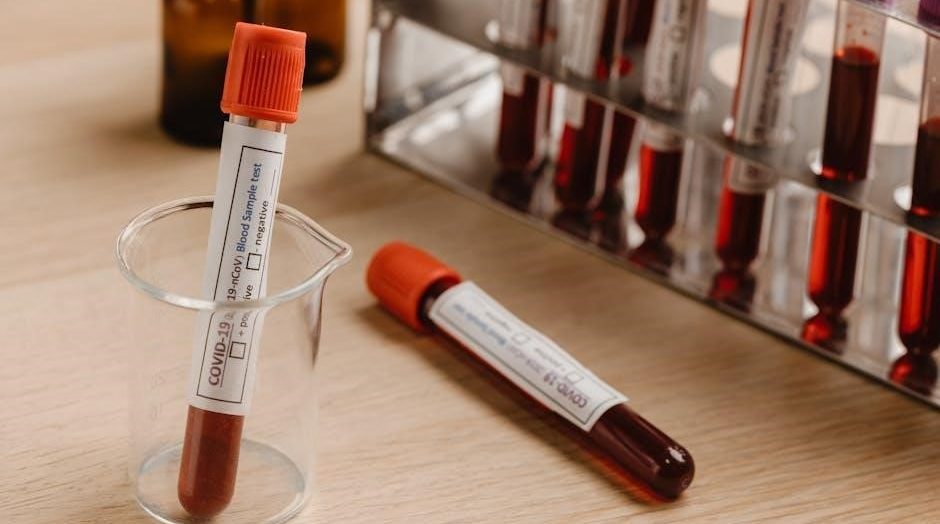
Understanding the Fecal Calprotectin Stool Test
Calprotectin, measured in a stool test, indicates intestinal inflammation; elevated levels suggest potential IBD, like Crohn’s or ulcerative colitis, requiring further investigation.
What is Fecal Calprotectin?
Fecal calprotectin is a protein discovered in the stool that signals inflammation within the intestines. It’s a member of the S100 calcium-binding protein family, specifically forming as a heterodimer of S100A8 and S100A9. Unlike other markers, it’s relatively stable in the stool, making it a reliable indicator of gut inflammation.
This protein is released by neutrophils and macrophages – types of white blood cells – that migrate into the intestinal tissue during inflammation. Measuring calprotectin levels helps differentiate between inflammatory and non-inflammatory causes of gastrointestinal symptoms, guiding doctors toward the appropriate diagnostic path. It’s a key tool in evaluating conditions affecting the digestive tract.
Why is the Test Performed?
A fecal calprotectin test is performed to help determine if intestinal inflammation is present, particularly when experiencing symptoms like abdominal pain, diarrhea, or changes in bowel habits. It’s crucial for distinguishing between inflammatory bowel disease (IBD), such as Crohn’s disease and ulcerative colitis, and other conditions like irritable bowel syndrome (IBS).
The test aids in avoiding unnecessary colonoscopies in patients where inflammation isn’t indicated. Elevated levels can also suggest infectious enteritis or, less commonly, colorectal cancer, prompting further investigation. Your GP may request this test to understand the cause of your symptoms and guide appropriate treatment strategies, ensuring accurate diagnosis and care.

Preparing for the Fecal Calprotectin Test
Avoid certain medications for two weeks prior to collection, as they may falsely elevate results; follow your doctor’s specific instructions carefully for accuracy.
Medications to Avoid
To ensure accurate fecal calprotectin test results, it’s crucial to avoid specific medications for at least two weeks before sample collection. These medications can artificially increase calprotectin levels, potentially leading to a misdiagnosis.
Specifically, nonsteroidal anti-inflammatory drugs (NSAIDs) like ibuprofen and naproxen are known to elevate calprotectin. Other medications to discontinue, if possible and with your doctor’s approval, include aspirin, corticosteroids (like prednisone), and certain immunosuppressants.
Always consult with your healthcare provider before stopping any prescribed medication. They can advise you on whether temporarily discontinuing a drug is safe and appropriate in your specific situation, and potentially suggest alternatives if needed. Accurate medication history is vital for proper test interpretation.
Dietary Considerations
While generally a fecal calprotectin test doesn’t require strict dietary restrictions, maintaining a regular diet close to your normal eating habits is recommended for the most reliable results. Avoid significant changes to your diet in the days leading up to collection.
There’s no need for a special diet like a low-fiber or clear liquid diet. However, inform your doctor about any recent or significant dietary changes.
Avoid taking iron supplements or consuming large amounts of red meat for several days prior, as these can sometimes interfere with stool color and potentially affect the test. Hydration is important; continue drinking fluids as usual. Focus on a balanced diet to ensure a representative stool sample.
Collecting the Stool Sample: A Step-by-Step Guide
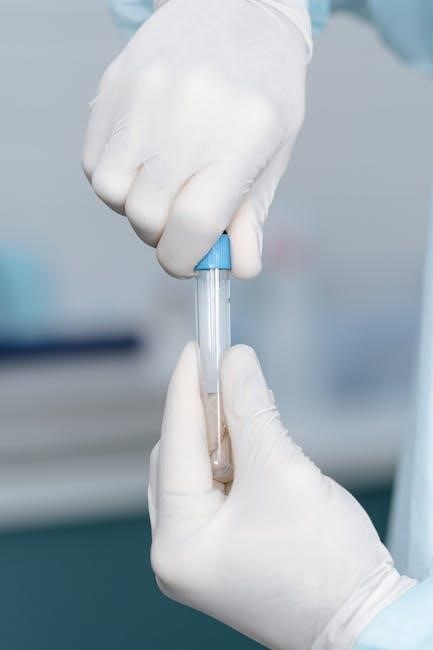
A stool container is needed for collection; follow provided instructions carefully to ensure a representative sample for accurate calprotectin level measurement in the lab.
Supplies Needed
To accurately collect a fecal sample for calprotectin testing, specific supplies are essential. You will require a clean, dry stool container, often provided by your healthcare provider or available at pharmacies. The container should ideally be a “Small (Random), 4 oz Random (T288)” type, ensuring sufficient volume for analysis.
It’s crucial to verify the container is specifically designed for stool collection and doesn’t contain any preservatives unless explicitly instructed by the lab. Avoid using containers with toilet bowl cleaners or other chemicals. Some facilities may also recommend collection devices or scoops to aid in sample acquisition, though direct collection into the container is generally acceptable. Ensure you have clear instructions from your doctor or the lab regarding any additional necessary materials.
Proper Collection Technique
Collect the stool sample directly into the provided container, avoiding contact with toilet water. This is vital for accurate calprotectin measurement. It’s a “random” sample, meaning collection from any portion of a bowel movement is acceptable. Use the provided scoop or tongue depressor (if supplied) to transfer a small amount – typically about a teaspoon – into the container.
Ensure the container isn’t overfilled, following the fill line if indicated. Collect the sample before starting any medications that could interfere with results (refer to medication guidelines). If you experience diarrhea, collect a portion of the loose stool. Proper technique minimizes contamination and ensures reliable test outcomes.
Avoiding Contamination
Contamination significantly impacts fecal calprotectin test accuracy. Avoid any contact between the stool sample and toilet water – this is crucial. Do not collect samples from toilet bowls with cleaning agents or bowl sanitizers. Urinating into the same toilet before or during collection can also contaminate the sample, leading to inaccurate results.
Ensure your hands are thoroughly washed before and after the collection process. Use only the provided collection container and scoop; do not use other materials. If you use moist towelettes, ensure they do not enter the sample. Maintaining a clean collection process is paramount for reliable calprotectin level assessment.

Sample Storage and Transportation
Collected specimens require specific handling; multiple tests need separate containers, and testing cannot be performed on previously collected stool samples for accuracy.
Storage Guidelines
Proper stool sample storage is crucial for accurate fecal calprotectin results. Ideally, the sample should be analyzed as soon as possible after collection. However, if immediate processing isn’t feasible, specific storage protocols must be followed to maintain sample integrity. The collected specimen should be refrigerated promptly, maintaining a temperature between 2-8°C (35-46°F).
Avoid freezing the sample, as freeze-thaw cycles can compromise the stability of calprotectin. If refrigeration isn’t immediately available, the sample can be stored at room temperature for a maximum of two hours, but refrigeration is strongly preferred. Ensure the container is tightly sealed to prevent leakage and maintain a representative sample. Adhering to these guidelines helps ensure reliable test outcomes.
Transporting the Sample to the Lab
Timely transport of the fecal sample to the laboratory is essential for accurate calprotectin measurement. The sample should be transported refrigerated, maintaining a temperature between 2-8°C (35-46°F) throughout the journey. Use a leak-proof, insulated container with a cold pack to ensure temperature stability during transit.
If the sample cannot be delivered to the lab within 24-72 hours of collection (check with your specific lab for their policy), it’s generally not recommended to proceed with testing, as calprotectin levels can degrade. Clearly label the container with your identifying information and the date/time of collection. Follow your healthcare provider’s or the lab’s specific instructions for delivery or shipping.

Interpreting Your Results
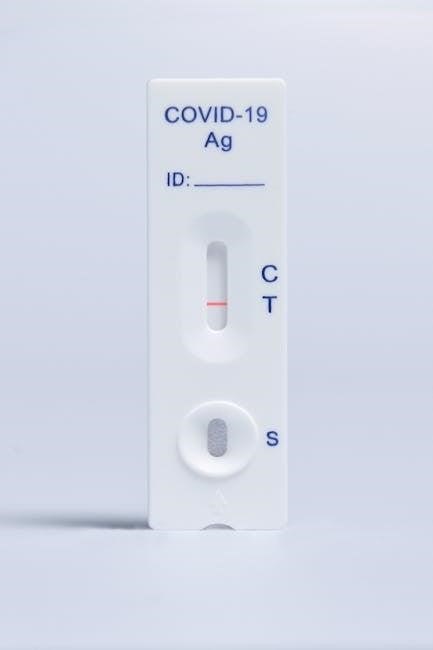
High fecal calprotectin suggests intestinal inflammation, potentially from IBD, infection, or cancer; normal levels don’t always exclude disease, requiring clinical context.
What Do High Calprotectin Levels Indicate?
Elevated fecal calprotectin levels are a strong indicator of inflammation within the intestinal tract. This doesn’t pinpoint a specific diagnosis, but signals the need for further investigation. High concentrations are commonly found in Inflammatory Bowel Disease (IBD), encompassing conditions like Crohn’s disease and ulcerative colitis. However, it’s crucial to understand that inflammation isn’t exclusive to IBD.
Other conditions, such as infectious enteritis – inflammation of the small intestine due to infection – and even colorectal cancer, can also cause increased calprotectin levels. Therefore, interpreting the results requires careful consideration of the patient’s complete clinical picture, including their symptoms and medical history. A high result necessitates further diagnostic procedures, like colonoscopy, to determine the underlying cause of the inflammation.
What Do Normal Calprotectin Levels Indicate?
Generally, normal fecal calprotectin levels suggest that there is no significant inflammation occurring in the intestines. This can be reassuring, making Inflammatory Bowel Disease (IBD) less likely as the cause of gastrointestinal symptoms. However, a normal result doesn’t entirely rule out IBD, particularly in the early stages or if inflammation is limited to specific areas of the bowel.
It’s important to remember that the test’s primary purpose is to exclude IBD. Normal levels can also indicate that symptoms are likely due to functional gastrointestinal disorders, like Irritable Bowel Syndrome (IBS), which doesn’t involve intestinal inflammation. Nevertheless, persistent symptoms warrant continued medical evaluation, as other conditions may still be present even with a normal calprotectin result. Clinical context is always key.
Conditions Associated with Elevated Calprotectin
High fecal calprotectin levels are linked to IBD, infectious enteritis, and potentially colorectal cancer, all involving intestinal inflammation, requiring clinical correlation.
Inflammatory Bowel Disease (IBD)
Elevated fecal calprotectin is strongly associated with Inflammatory Bowel Disease (IBD), encompassing conditions like Crohn’s disease and ulcerative colitis. This protein is released by neutrophils, immune cells that migrate into the intestinal lining during inflammation characteristic of IBD.
A high calprotectin level doesn’t definitively diagnose IBD, but it significantly increases the likelihood, prompting further investigation such as colonoscopy and endoscopy. It helps differentiate IBD from other causes of abdominal discomfort, like Irritable Bowel Syndrome (IBS), where calprotectin levels are typically normal.
Monitoring calprotectin levels can also assess disease activity in patients already diagnosed with IBD, guiding treatment decisions and predicting potential flare-ups. Therefore, it’s a crucial tool in managing IBD effectively.
Infectious Enteritis and Colorectal Cancer
While primarily linked to IBD, elevated fecal calprotectin levels can also indicate infectious enteritis – inflammation of the small intestine caused by bacterial, viral, or parasitic infections. The inflammatory response to these pathogens releases calprotectin into the stool.
Importantly, calprotectin isn’t specific to IBD; it can also be elevated in colorectal cancer, particularly if the tumor causes inflammation or ulceration. Therefore, a high result necessitates further investigation to rule out malignancy.
Clinical context is vital. Interpreting calprotectin levels requires considering the patient’s symptoms and medical history. It’s crucial to remember that high levels warrant further diagnostic procedures, such as colonoscopy, to determine the underlying cause accurately.
Important Considerations
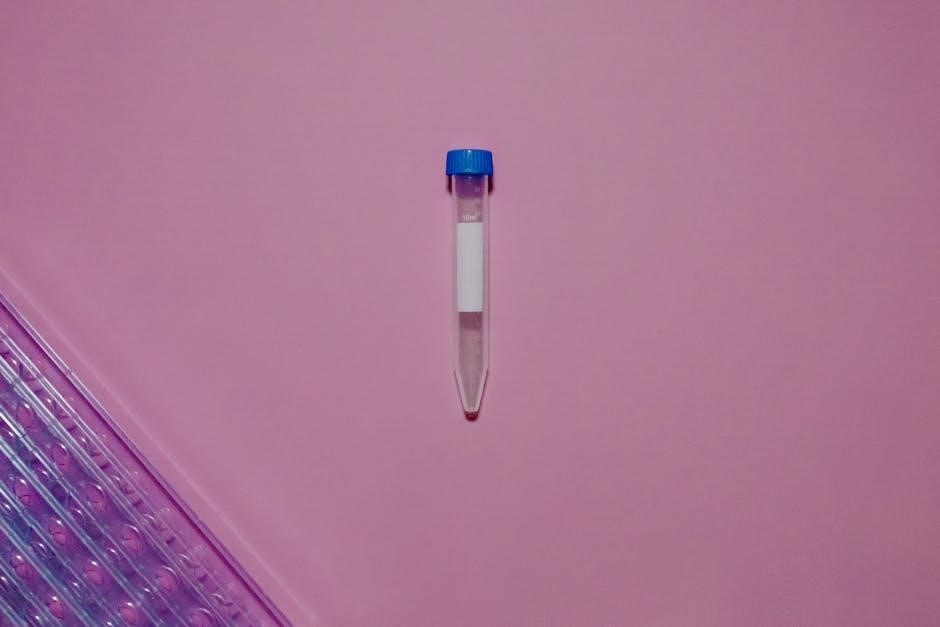
Multiple tests require separate specimens, except for ELASF/Pancreatic Elastase. Testing cannot be performed on previously collected stool samples; a fresh sample is needed.
Multiple Tests and Specimen Separation
When your healthcare provider orders multiple stool tests, including the fecal calprotectin test, it’s crucial to understand the specimen requirements. Generally, separate specimens must be submitted for each test requested. This ensures accurate and reliable results, preventing cross-contamination or interference between analyses;
However, there’s an exception: the combination of ELASF (Eosinophil Leukocyte-Derived Neurotoxin) and Pancreatic Elastase tests can utilize a single specimen. If only one stool sample is collected and multiple tests are needed (excluding the ELASF/Elastase pairing), the sample must be divided before sending it to the laboratory.
This separation is vital for maintaining the integrity of each test and obtaining meaningful diagnostic information.
Testing on Previously Collected Specimens
It is critically important to understand that fecal calprotectin testing cannot be performed on stool samples that were collected previously and stored. The test requires a fresh stool specimen to ensure accurate measurement of calprotectin levels. Adding this test to an already collected sample will not yield valid results.
Calprotectin is a protein that can degrade over time, impacting the reliability of the measurement. Therefore, the laboratory requires a newly collected sample to provide a true reflection of the current inflammatory status within the intestines.
Please do not submit samples that have been frozen or refrigerated for an extended period, as they are unsuitable for this specific analysis.